
The video game industry has been weathering a relentless storm lately, but the latest thunderclap is particularly deafening. PlayStation is officially shuttering Bluepoint Games this coming March. On the surface, it’s another “restructuring” casualty. But once you peel back the corporate-speak in the leaked internal emails, the situation transforms from a financial necessity into a baffling, self-inflicted wound.
Table of Contents
Bluepoint Games
Bluepoint wasn’t just another studio in Sony’s massive stable; they were the gold standard for technical restoration. From the sweeping vistas of Shadow of the Colossus to the crushing, gothic beauty of the Demon’s Souls remake on PS5, Bluepoint proved that remakes didn’t have to be “budget” fillers. They were premium experiences that treated gaming history with the reverence of a museum curator and the skill of a master surgeon.https://hstech.io/
The Pivot to Nowhere
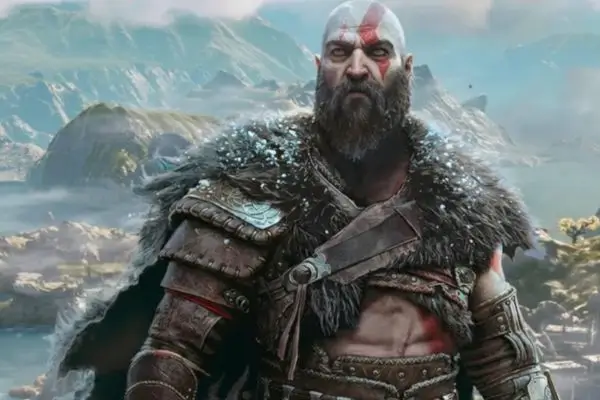
The tragedy of Bluepoint game isn’t just that they’re closing. It’s what they were forced to do before the end. After Sony officially acquired them in 2021, the logic seemed airtight: keep the masters of the “PlayStation DNA” working on the back catalog. Instead, reports indicate the team was diverted away from their specialty to develop a live-service God of War project.
Think about that for a second. You take a lean, 70-person team famous for meticulous, single-player craftsmanship and pivot them toward the “forever-game” meat grinder of live services. It’s like hiring a world-class portrait painter and then telling them they can only work on digital billboards. By the time the studio was closed, they hadn’t shipped a single project since Demon’s Souls. They were set up for a race they weren’t built to run.
The “Corporate Double-Speak” Email
What really stings is the internal email that recently surfaced on Kotaku. In a jarring display of cognitive dissonance, PlayStation leadership spent the first half of the memo taking a victory lap. They touted the massive success of Ghost of Yotei, the narrative prestige of Death Stranding 2: On the Beach, and the monster engagement numbers of Helldivers 2. By all accounts, the “PlayStation ” is printing money and winning awards.
Then comes the ”but.”
The email immediately pivots to “rising development costs” and “broader economic headwinds” as the justification for cutting Bluepoint. It’s a hard pill to swallow. How does a company celebrating record-breaking hits claim it can’t sustain a boutique, 70-person studio? In an era where AAA teams often swell to over 1,000 developers, Bluepoint was remarkably efficient. Their closure doesn’t look like a survival tactic; it looks like a lack of imagination.
Technology Solutions Professional: Guide + 5 Key Responsibilities
The Bloodborne-Shaped Hole in the Heart
You can’t talk about Bluepoint without talking about Bloodborne. For years, the gaming community has practically begged for a 60 FPS update or a full-blown remake of the FromSoftware classic. Bluepoint was the only studio fans trusted to touch it.
The frustration reached a boiling point recently when a developer named Maxim, who was working on a high-profile fan remake, received a cease-and-desist from Sony. At the time, fans hoped this meant an official version was secretly in development at Bluepoint. Now, with the studio’s lights being turned off, those hopes have turned to ash.
It creates a cynical loop:
- Sony shuts down fan efforts to protect their IP.
- Sony shuts down the only internal studio capable of doing the IP justice.
- The IP remains trapped in 2015 at 30 frames per second.

A Growing Market Left Behind
The irony here is that the market for remakes is actually booming. Whether it’s Resident Evil, Final Fantasy VII, or Silent Hill 2, players are clearly willing to pay premium prices for modernized nostalgia. Bluepoint owned that lane. They provided a low-risk, high-reward bridge between Sony’s past and its future.
By killing the studio, Sony isn’t just losing a team; they are losing a specialized capability. We are entering an era where preservation is becoming a major talking point in the industry. Without a dedicated “remake house,” PlayStation’s incredible legacy from Sly Cooper to Jak and Daxter to Bloodborne feels more like it’s being locked in a vault rather than celebrated.
The Human Cost
Beyond the missed opportunities for gamers, there is the human element. For a developer, watching a studio like Bluepoint get dissolved is a chilling reminder of how volatile the industry has become. If you can deliver a console-defining launch title like Demon’s Souls and still be considered “expendable” five years later, where is the safety?
As March approaches, the “Remake Kings” will pack up their desks. They leave behind a legacy of technical perfection and a community left wondering why one of the most successful companies in the world couldn’t find a place for 70 of its most talented artisans. The email might blame “headwinds,” but to everyone else, it looks like PlayStation just threw away its best compass.
What is Hadoop: The Big Data Giant That Still Runs More of the World Than You Think